Financial reporting reveals Q3 slump

For prominent companies in the bicycle industry, the third quarter financial results make uncomfortable reading. Despite optimistic signs in the first and second quarters, for most, Q3 results showed that attaining stabilisation is still out of reach. As revenues drop, repeated streamlining and cost-cutting measures are being taken to ensure the health of many companies in the bicycle industry chain. For many the difficulties are still a reflection of the inventory normalisation among OEMs, distributors and dealers.

Giant Group revenue drops 17% but e-bikes remain a bright spot

Giant Group recorded a 17% drop in consolidated revenue over the first nine months of this year, the latest figures released by the company's board of directors reveal. With a slow start to the year and a high-profile incident with the United States Government in late summer, the manufacturer reports a 24.9% decline year-over-year in Q3 revenue to NT$15.36 billion (€420 million).

Despite these continued lows, the Group reflects on some positives. “In terms of market performance, OEM business saw nearly 20% growth in sales during the first three quarters, supported by recovering demand in Europe. Own-brand sales also showed a moderate recovery in the European market. While regional performance varied, the overall trend is stabilising,” Giant writes in the financial statement.

“In the US, consumer sentiment remained cautious due to tariff policies and macroeconomic factors. In China, revenue declined due to a high base period last year. As the year-end holiday season approaches, the Group will continue to adjust market strategies flexibly to enhance sales performance.”

Giant points to signs of positivity in the e-bike market specifically. “Sales of e-bikes, including both own brands and OEMs, accounted for 25% of the Group’s total revenue in the first three quarters. Although the share slightly declined compared to last year, unit sales still showed growth, reflecting the recovering market demand. As a key mid- to long-term growth driver, e-bikes hold strong potential.” The Group confirmed that it will continue to invest in this segment, with new product launches expected to enhance business growth. However, with mistreatment allegations and withheld US imports, the company faces a far-from-smooth ending to an already challenging year.

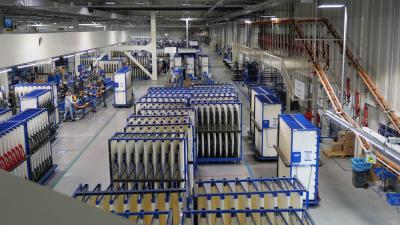
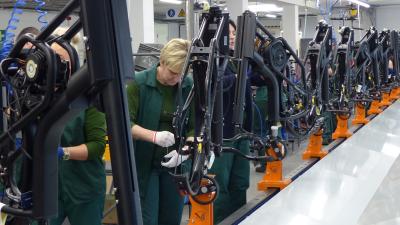
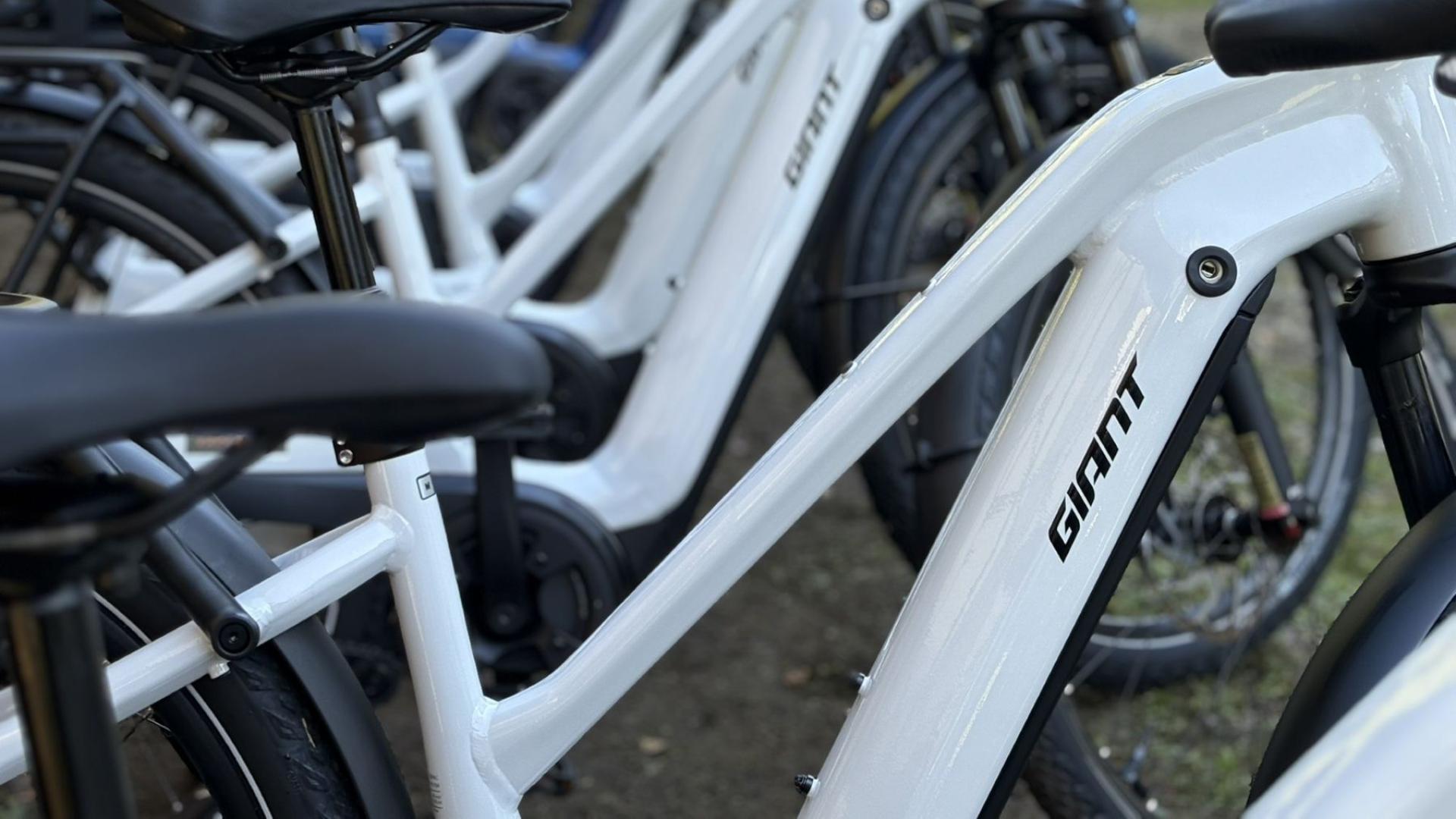
 Giant bike frame

Canyon revenue down amidst market pressure and technical issues

The third quarter of 2025 remained challenging for Canyon. The company's financial performance reflects current market conditions. The overall industry is facing ongoing difficulties, characterised by oversupply and aggressive discounting. While Canyon is not immune to this trend, the company reports robust sales in road and gravel segments.

For the first 9 months of 2025, Canyon’ sales slide by 7% compared with 2024 to € 611 million. Also the EBITDA (net profit) decreased from -19% in 2024 to -29% this year. The financial performance deteriorated even further compared with the first half of the year. Between January and July, Canyon already reported a decrease in sales of 5%. Canyon is hit hard by prevailing market instability and headwinds, especially in e-MTB, regular MTBs and urban bikes.

For owner GBL, who invested in Canyon in 2020 the company’s performance is a disappointment. The company will not deliver the expected short- to mid-term return on investment. This was the reason for GBL to depreciate the total value of its investment by 43% to €261 million at the end of 2024. In the past 9 months, this net asset value has moved up a little bit by 2% to € 267 million.

The disappointing performance was a reason for owner GBL to call in the company’s founder Roman Arnold and ask him to take an active involvement in the daily operation. Under Arnold’s renewed leadership, the D2C brand will pursue several initiatives to enhance performance, including a review of its product portfolio and the implementation of efficiency measures. The company also wants to strengthen its omnichannel presence as showcased by the recently opened flagship store in Munich.

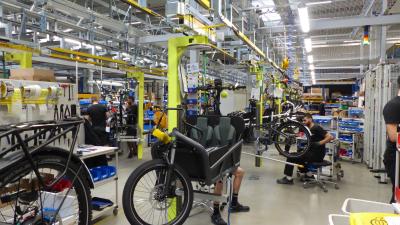
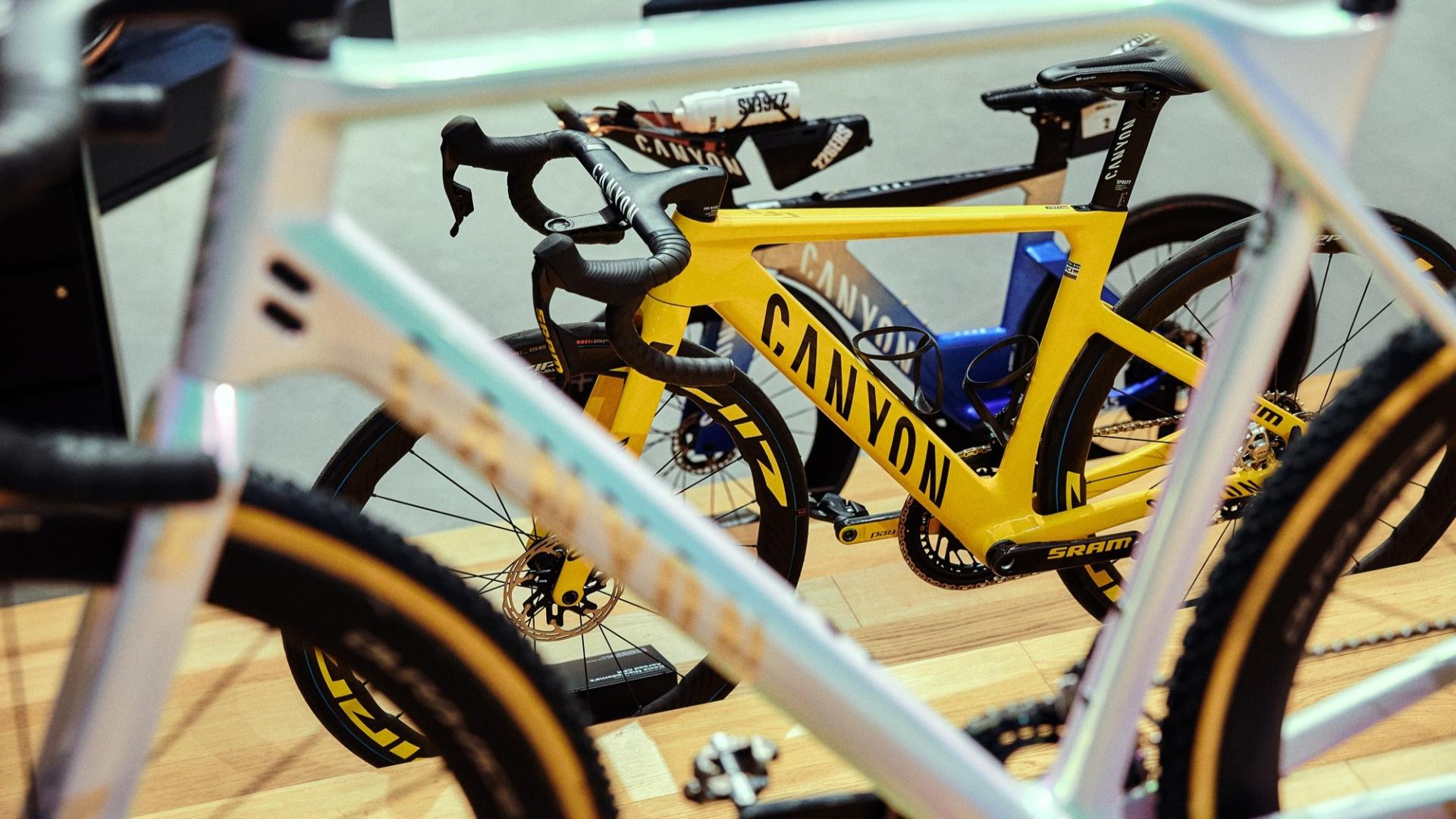
Canyon Bike Frame

hGears sees volume drop to long-time low

The expected weakness in the e-bike segment in the first nine months of 2025 resulted in a 42% drop in revenue at the e-bike component manufacturer. For hGears, even the positive development of e-tools and e-mobility could not offset the slowdown in the e-bike segment, which continued into the third quarter of this year.

Despite ongoing challenges in the automotive industry, e-mobility proved to be very resilient thanks to its focus on premium and luxury vehicles.  While the e-bike business was once regarded by hGears as a promising industry to compensate for the expected loss in automotive, the opposite is true for the moment. E-mobility and e-tools increased revenue by 4.1% and 9% respectively, in the first nine months of 2025. 

The e-bike business area developed in line with expectations, recording a year-on-year decline of 42.7 % in revenue to €8.2 million in the first nine months of 2025. According to hGears, this is the result of “the continuing reduction in inventories across all distribution channels in the bicycle industry. 

“The revenues that had been brought forward and had a positive impact in the first half of the year were, as expected, missing in the third quarter of 2025,” said hGears CEO Sven Arend. “Despite the negative impact of the further significant decline in the e-bike business on the product mix, we succeeded in increasing EBITDA in the first nine months of 2025 compared to the same period last year, thanks to structural adjustments and cost-cutting measures. This underscores the effectiveness of the measures taken and supports our efforts to secure liquidity. We believe that the bottom has been reached, while the first, albeit still very tentative, signs of a possible stabilisation are emerging in the e-bike business,” said Sven Arends.

hgears

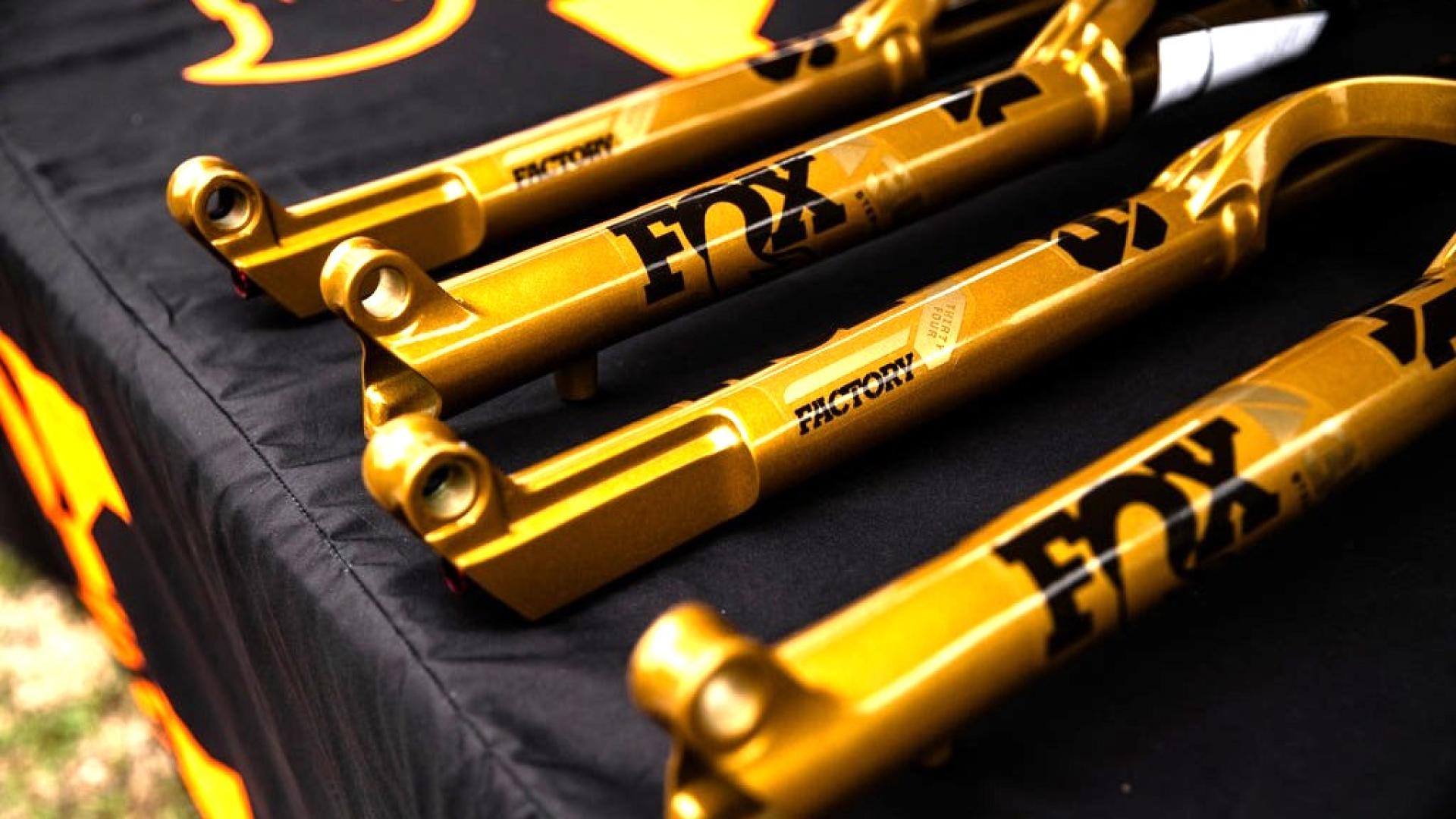
Fox Factory reports unexpected decline in bicycle component revenue

Fox Factory has reported its third-quarter results, and while they're right on par with the company's projected net sales for FY2025, the results show the company's second-quarter momentum has slowed. This is mainly as a result of the sales slowdown in the bicycle and e-bike segment.

The American component manufacturer’s third-quarter results reveal that net sales are up 4.8% year-on-year to $376.4 million (€342 million), but still on the low end of the company’s projected net sales of between $370 million and $390 million (€318 to €335 million) for this quarter.

Despite double-digit growth in the second quarter, it was Fox Factory’s Specialty Sport Group (SSG) segment that slowed the company’s overall financial success this quarter. The SSG segment, which includes the company’s bike and e-bike product lines, declined 11.2% to $132.7 million (€121 million), reflecting inventory normalisation among OEMs, distributors and dealers.

“SSG underperformed expectations as OEMs, distributors and retail partners actively managed toward leaner inventories ahead of year-end, which impacted our third quarter results and is reflected in our updated full-year outlook.” Fox Factory CEO Mike Dennison said in the quarterly report.

Taking the slowed momentum and leaner inventories into account, Fox Factory has updated its expectations for the fourth quarter of 2025. The company now expects net sales to be in the range of $340 million to $370 million (€309 to €337 million) for the fourth quarter. Overall, the company expects net sales in the range of $1.445 billion to $1.475 billion (€1.24 to €1.29 billion). This projection matches Fox Factory’s earlier estimate and is done in consideration of the “current visibility of tariff impacts.”

 Fox Factory