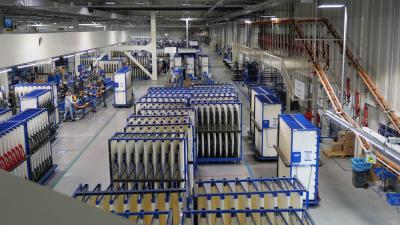
vanRaam counts on fully-integrated production

Steel lies at the heart of vanRaam's production history. This has since been expanded to encompass a unique set of in-house production competencies in its bicycle factory in the Netherlands. The 13,500-square-metre facility features in-house frame production, robotic welding, 3D laser cutting, CNC machining and wheel production. All the reasons for Bike Europe to take a look at 'The Factory Floor' of adaptive bike manufacturer… vanRaam.

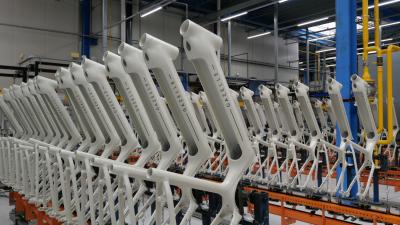
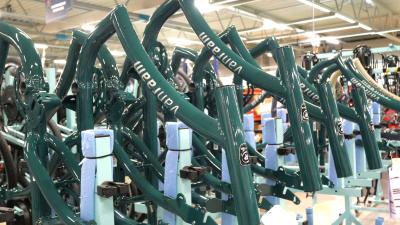
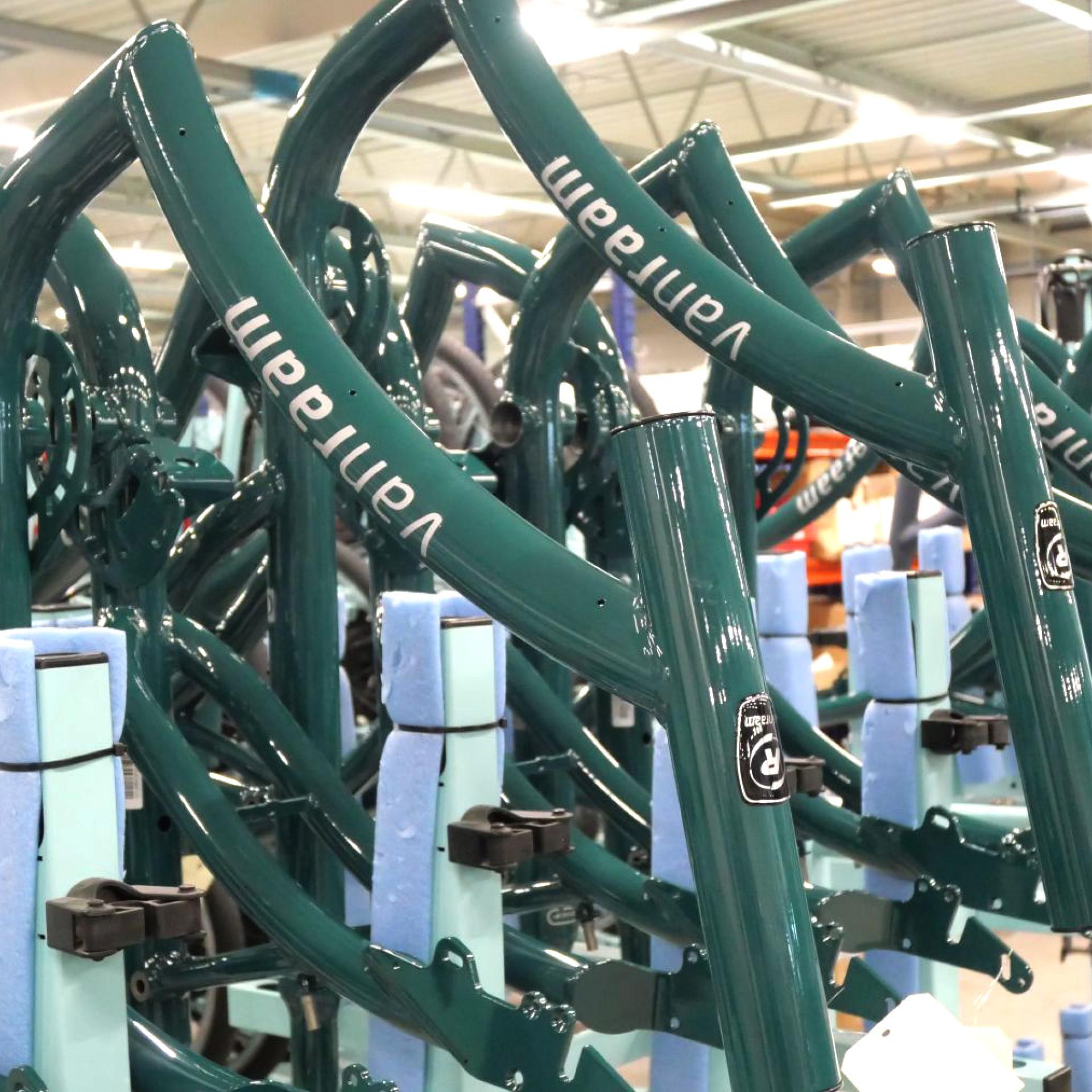
vanRaam frames in factory

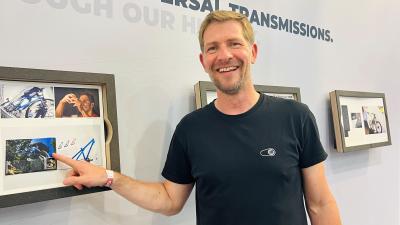
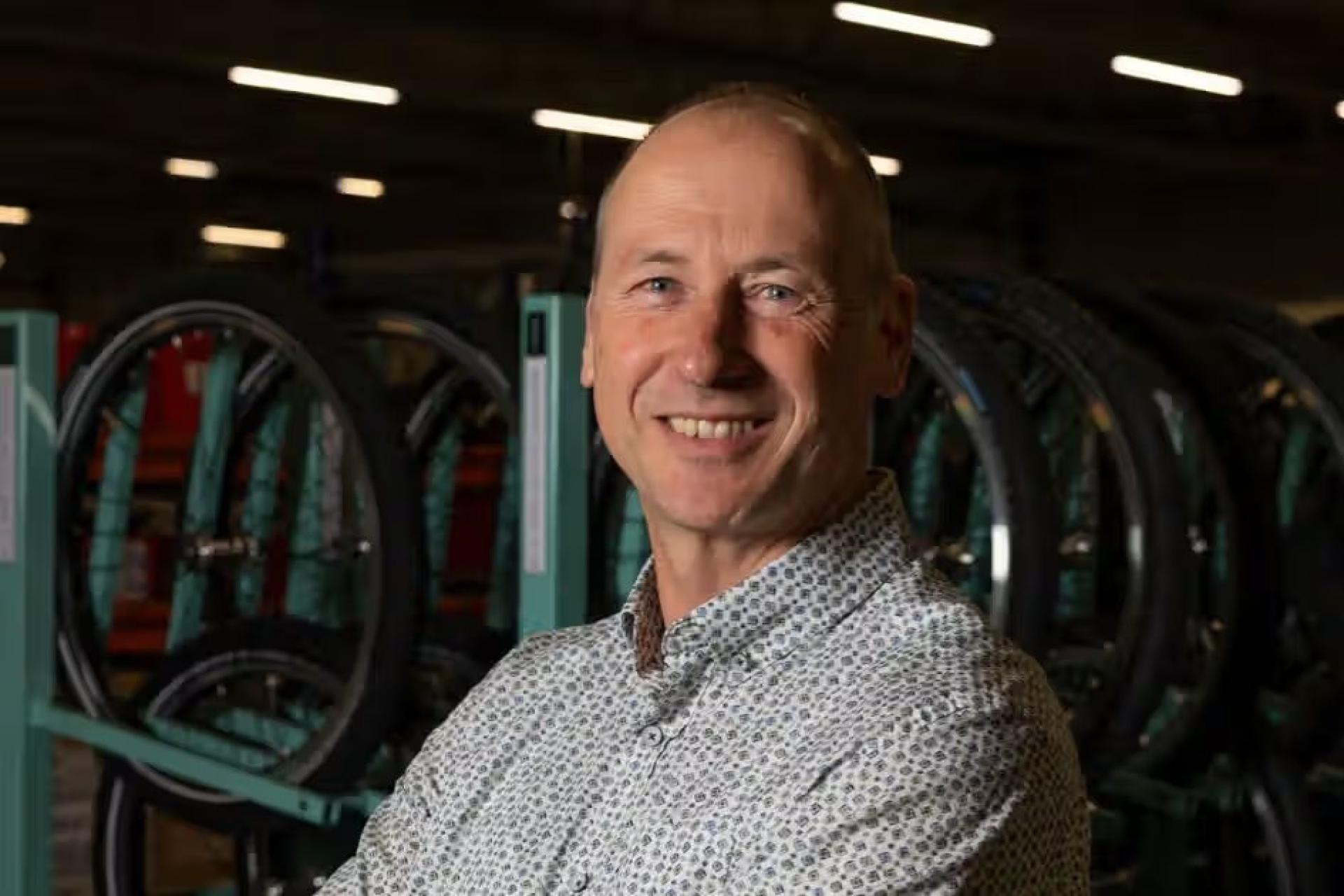
“We have the biggest factory in the world for making tricycles,” vanRaam CEO Jan-Willem Boezel proudly tells Bike Europe on entering the location in Varsseveld, the Netherlands. A rural area in the far east of the country is not the most top-of-mind location for one of Europe’s most all-encompassing bicycle production factories. The range of products displayed confirms the fact that this is no ordinary factory.

‘Anything is possible’

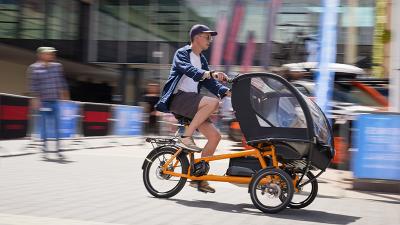
Serving non-mainstream segments, such as seniors and those less able to ride a regular bicycle, vanRaam’s range includes not only trikes but also tandem bicycles and rehabilitation bicycles. The company’s Dutch slogan, “We maken het gewoon,” has a double meaning. Firstly, the company makes bikes accessible for all riders regardless of age or physical ability, and secondly, the idea that if an option doesn’t exist yet for a rider, the company will make it possible. Literally translated as “We just make it/We make it normal.”

Configure to order

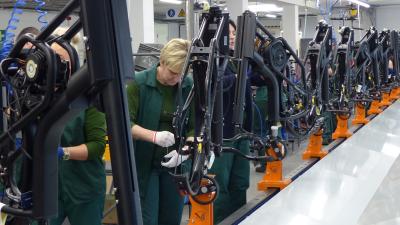
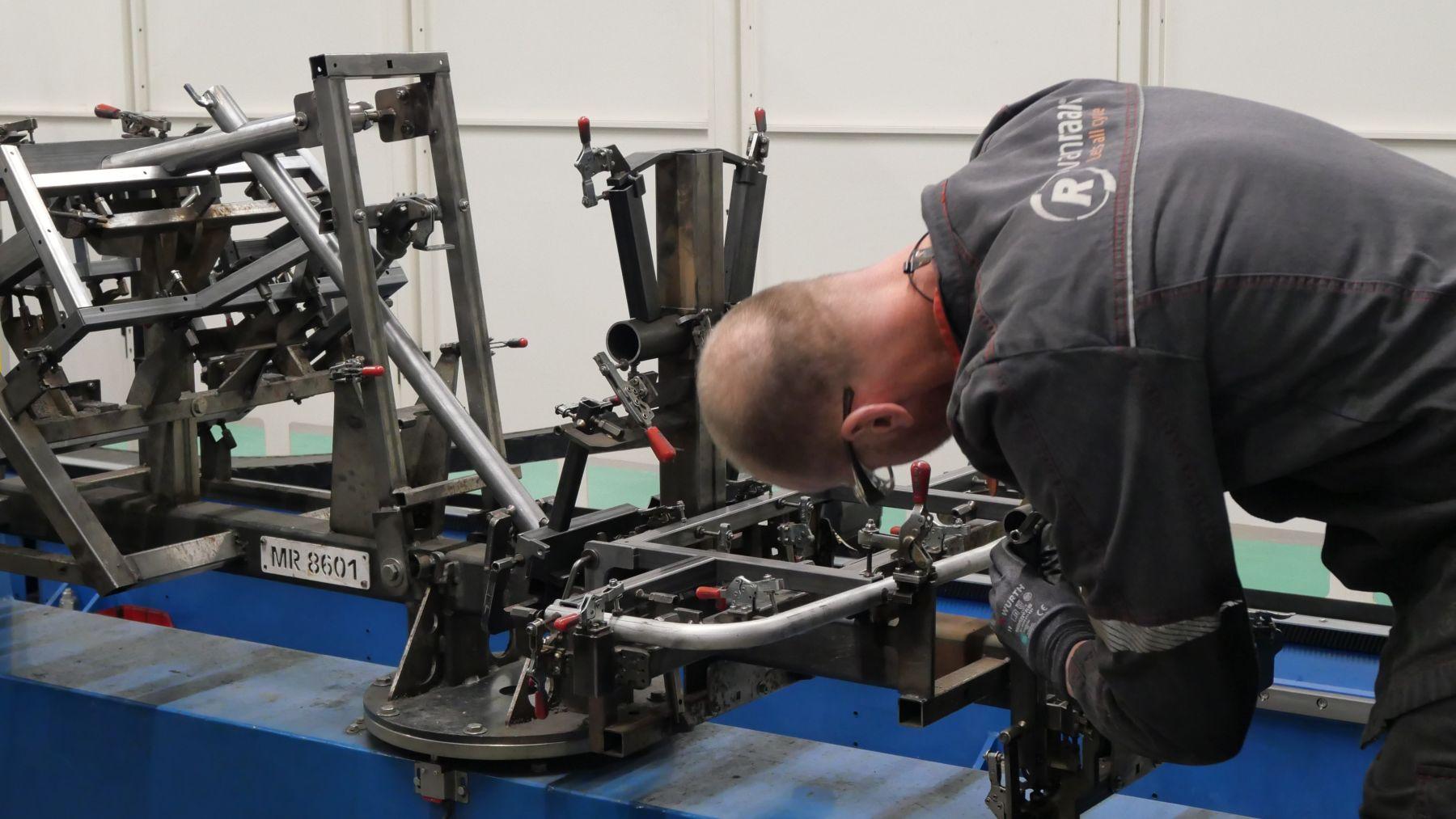
The complete steel frame production process takes place in a dedicated area of the factory. First, the steel parts are cut with a laser before being welded. This is primarily robotised, following a manual process to clamp the key parts together. The facility in the Netherlands houses seven robot welding machines.

Jan-Willem Boezel

“To pull off customisation, you need to have a lot of the production in your own hands,” says Boezel, who took on the role of CEO in January 2025 after almost 30 years steering the company’s technical developments.

vanRaam employs a "Configure to Order" (CTO) strategy for bespoke, individualised manufacturing.  After standardised frame production, this marks the coupling point for customisation in terms of colours, accessories, etc., which the customer has already completed via a dealer portal. A small percentage of vanRaam’s frame production is engineered to order (ETO) for riders with physical disabilities who require custom-made adjustments, such as all handling equipment on one side for one-armed use, etc.

Acquisitions to support parts production

In recent years, vanRaam acquired some companies to expand its production capabilities. Your CNC Solutions occupies a large hall adjacent to vanRaam. This department uses automated turning and milling machines for both internal production (about 50%) and external customers. Here, several 3D printers are used for producing steel and plastic parts and prototyping with custom components.

Automation and efficiency are key for vanRaam. Robots are not only doing the work, but also checking the work of other robots. One frame from each batch welded is selected for a quality-control check of frame tolerance before it enters the in-house paint shop. Every frame passes through the powder coating paint line three times as part of vanRaam’s new colour, material and finish (CMF) process.

30-minute takt time

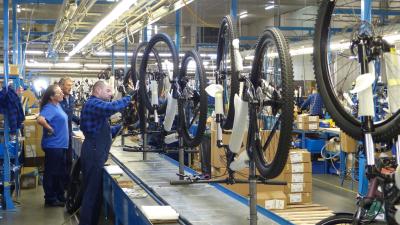
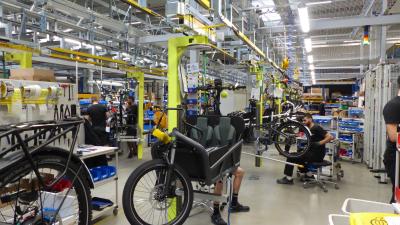
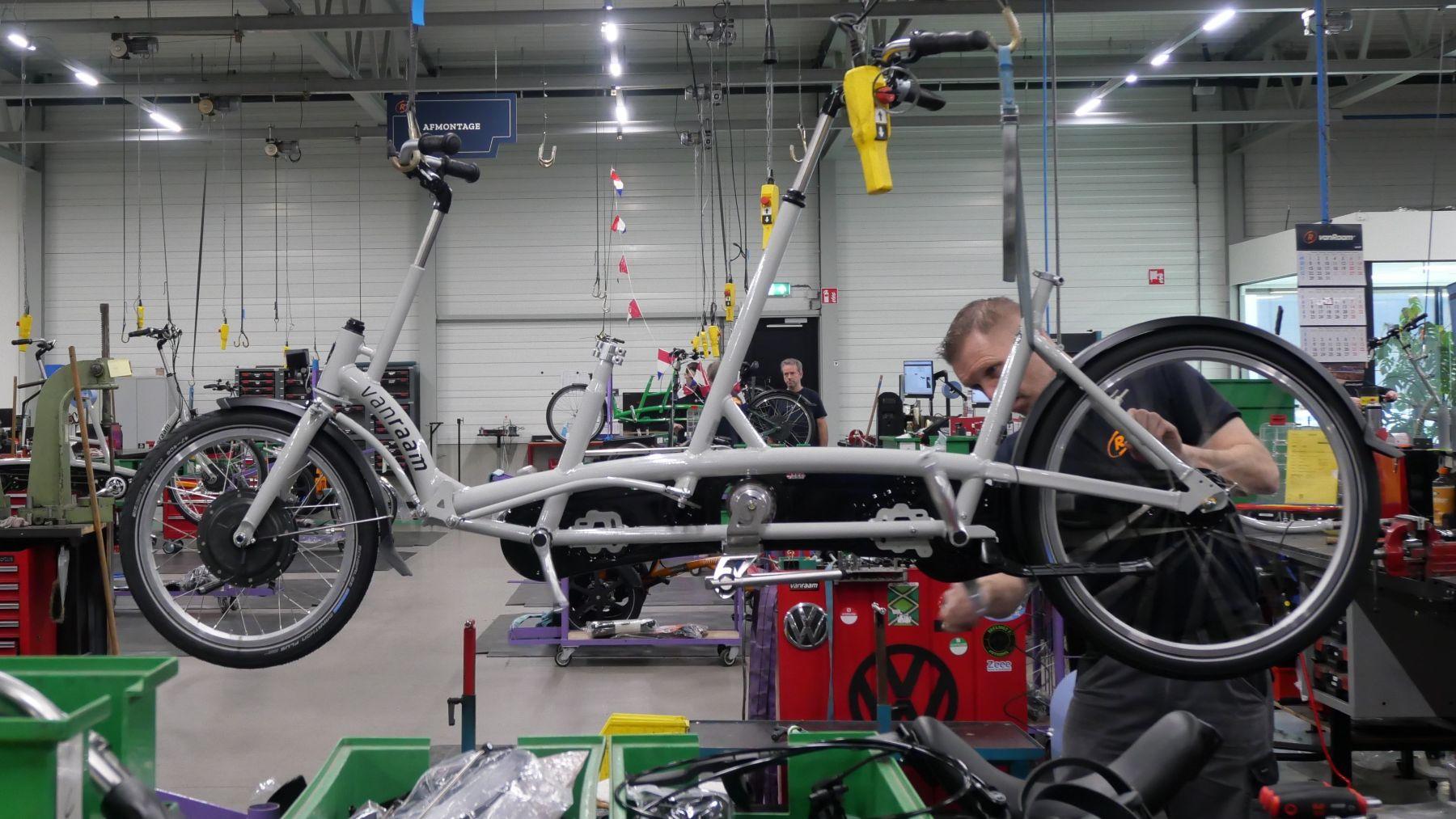
Following pre-assembly of wheels, steering and suspension, the final assembly process is separated according to model with six to eight stations per line. Each model has a takt time of 30 minutes. In the customised assembly lines, a single mechanic completes a full bicycle, which can take up to a full day for complex models.

vanRaam - Employee working on a tandem
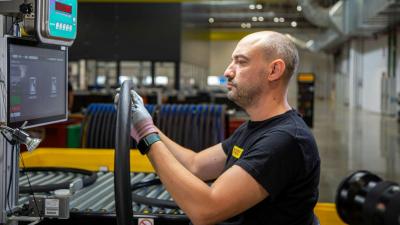
Employee in vanRaam factory
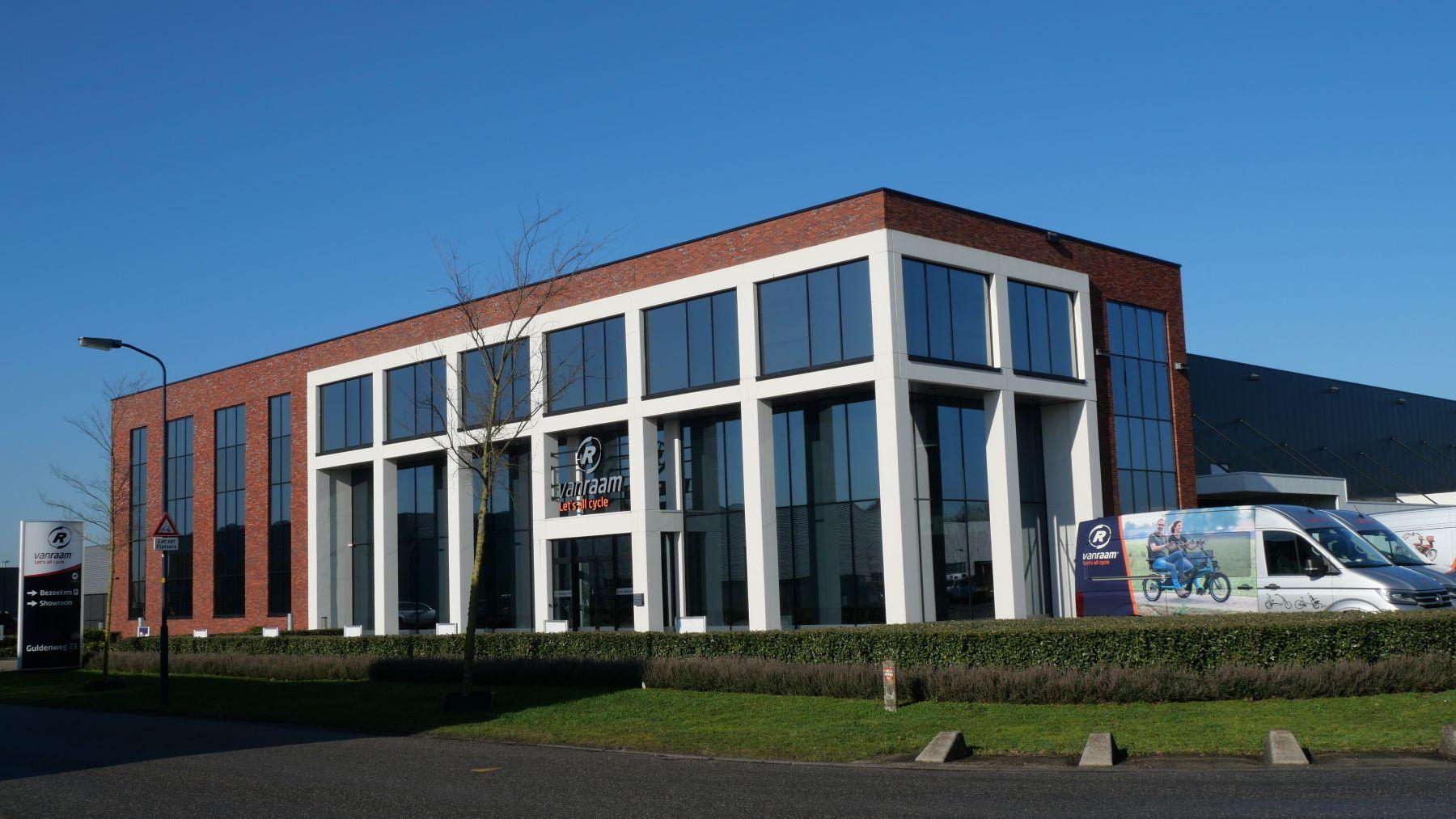
vanRaam Building

99% of the products made now are electric, and vanRaam has a 10-person team dedicated to its in-house developed motor system and the further development of software. To assist less-able riders, the company developed a reverse pedalling solution as part of its proprietary electric pedal support system, known as the Silent System, which was introduced in 2011. For its batteries, vanRaam also stays in Europe, with BMZ (Poland) and Cleantron (The Netherlands) as the suppliers. The BMS has been developed in-house. 

Compact R&D process

The in-house competencies not only allow for short lead times of between three and six weeks, but also speed up the development process. The Thuja model, which was crowned with an Eurobike award last year and is entering the market this season, underwent a 1.5-year development period. “The minimum amount of time we would need to produce a new model is a year. We can produce prototypes, test and remodel parts right here, without waiting for suppliers,” explains Boezel. “There is no reliance on Asia in this process besides a few key components, such as the hubs.” During Covid, the company even developed its own front forks, adding to its unique set of bicycle production competencies in Europe.

vanRaam -At a glance

Established: Company in 1910, current location in 2019
Size of location: 13,5000 m2 in the Netherlands. 6,000m2 (expanding to 12,000m2 in 2026) in Poland
What is being produced: Adaptive bikes (for seniors and less-able riders)
Annual capacity: Currently 18,000 units, with potential to quadruple
Main export markets: The Netherlands, Germany, Belgium and Scandinavia
Number of employees: 270 in the Netherlands, 80 in Poland

High-volume production in Poland

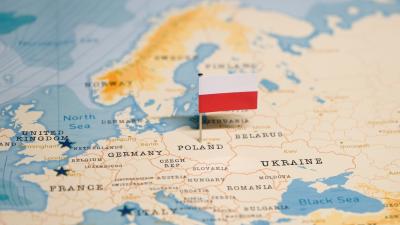
Despite the facility's size in the Netherlands, 60% of the company’s production capacity is not from here but from a second location in Poland, which opened in 2021. The expansion into Poland was to meet growing demand, and it now focuses on producing existing models.

Originally covering 6,000 square metres, vanRaam is now building a new adjacent factory modelled on the Dutch factory, encompassing welding, painting and assembly. This 12,000-square-metre factory is expected to open in late 2026. “The difference with Poland is that this only has series production, and in large quantities. For example, our Easy Rider model,” confirmed Boezel. “For new models like Thuja, we prefer to keep those competencies in the Netherlands as production stabilises.”