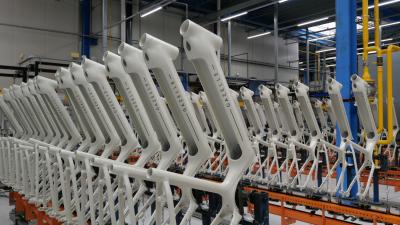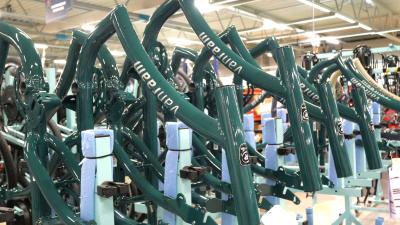
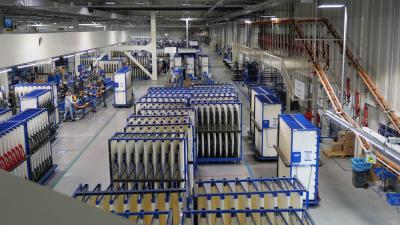
Buidling Ananda's Wuxi factory
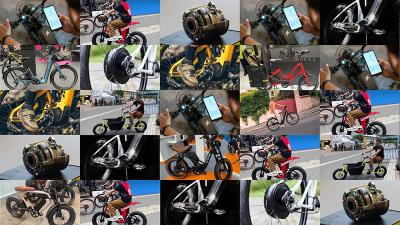
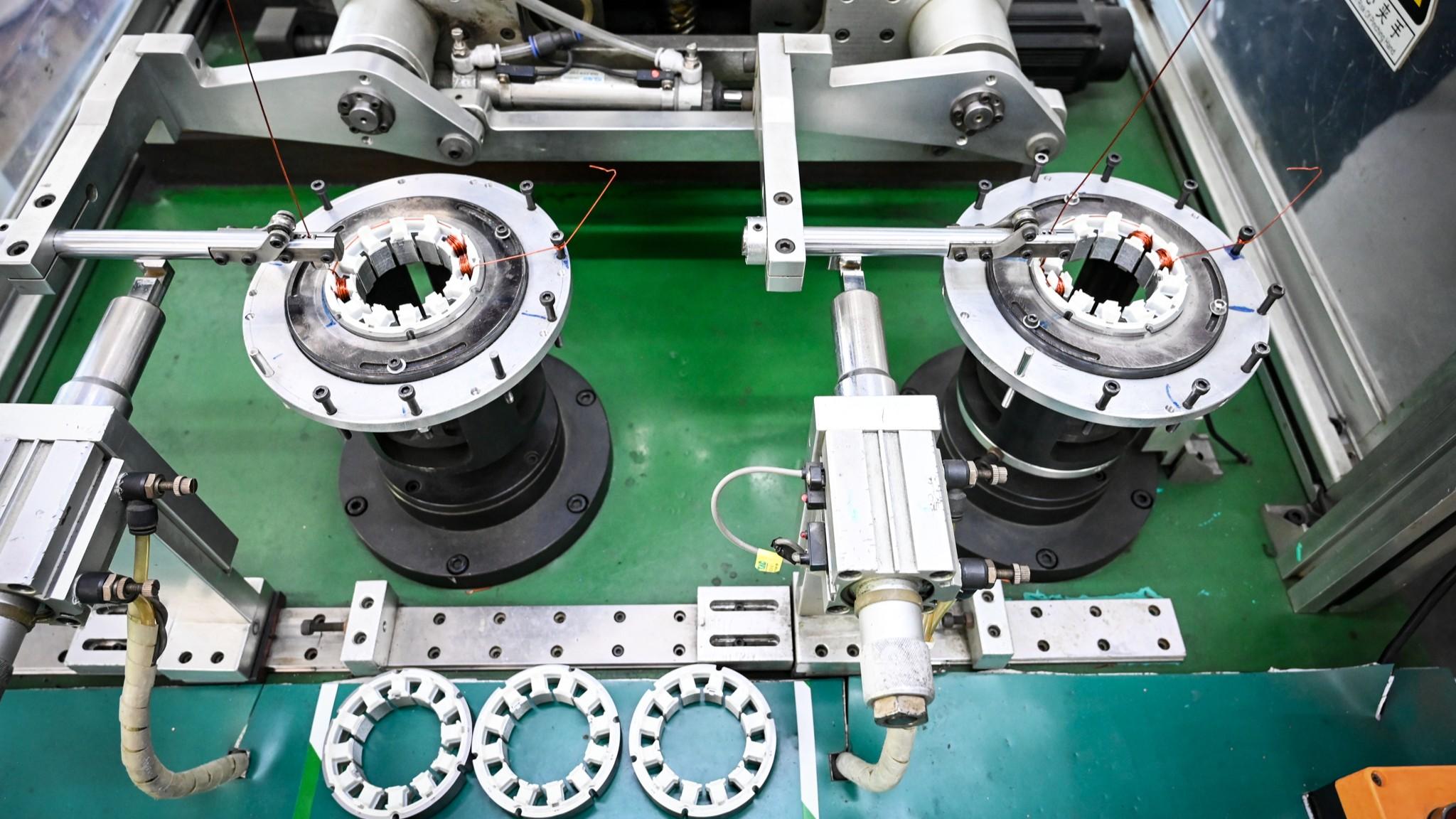
Ananda's Wuxi - detail of tenhnology
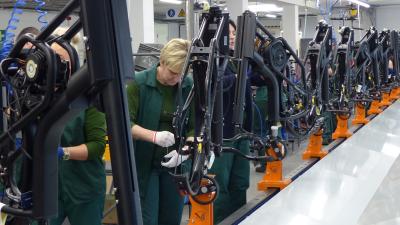
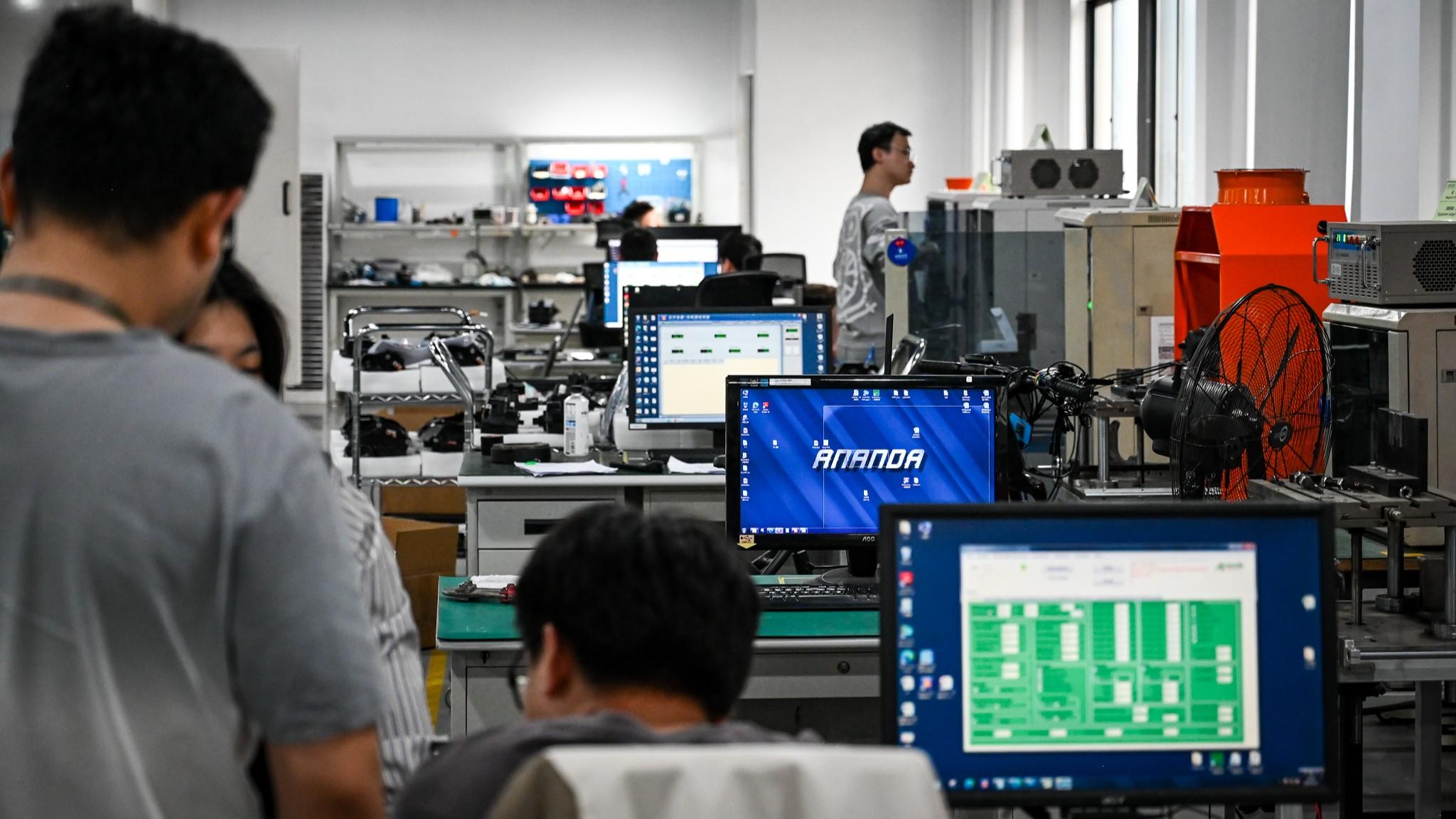
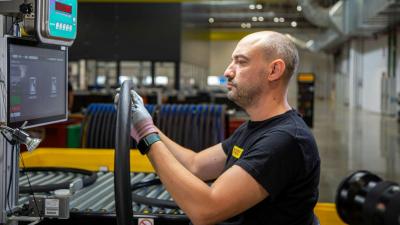
Employee Ananda's Wuxi factory
Ananda's Wuxi - detail of tenhnology
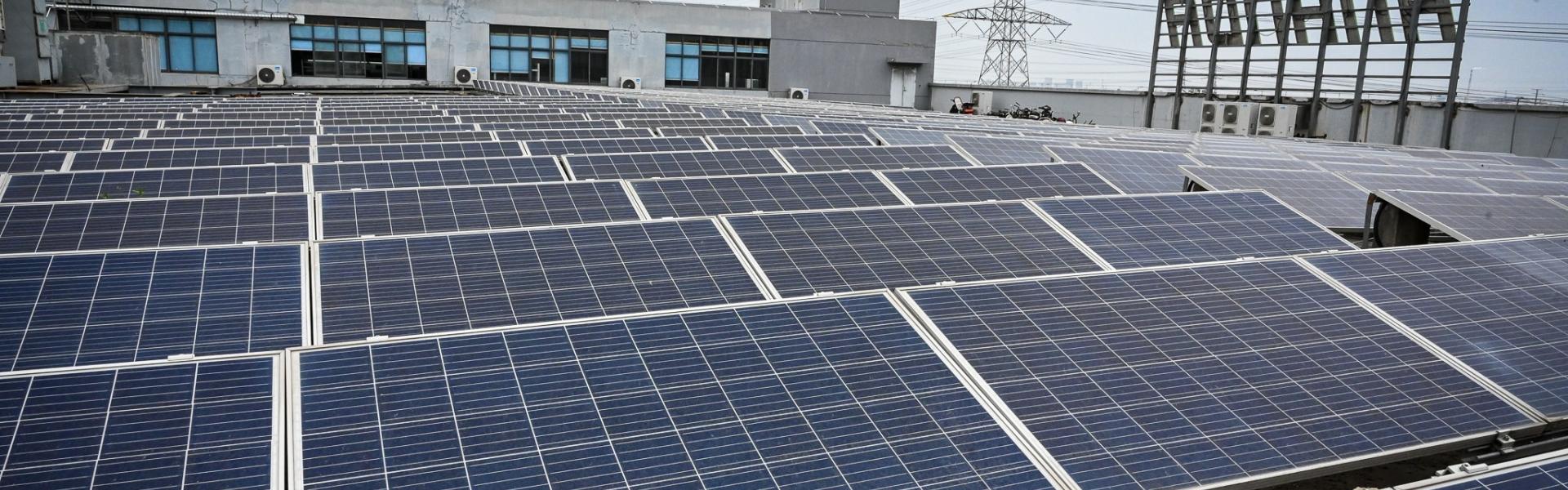
Ananda's Wuxi - solar cells on the roof

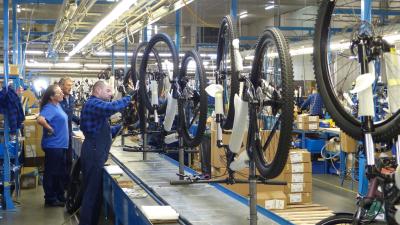
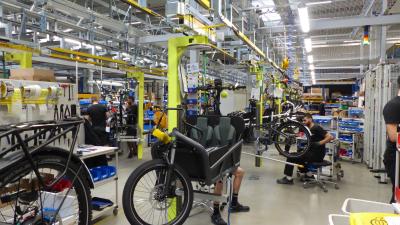
Inside Ananda's Wuxi factory

At Ananda's Wuxi facility, manufacturing scale and vertical integration have become central to the company's ambitions in the global e-bike market. The Chinese drive system manufacturer is building what it describes as a "closed-loop" manufacturing ecosystem to deliver both volume and reliability.
The company has established six production bases globally, including four in China, a Vietnamese facility opened in 2023, and a European hub in Hungary operational since 2021. This geographic spread is designed to support the core sales markets of Europe, China, and the US. Across its wider e-mobility business, Ananda produces around 10 million motor units annually, including capacity for 1 million e-bike motors. The majority of these are produced at the Wuxi factory, 130 km west of Shanghai in the wealthy province of Jiangsu.

One roof, full control

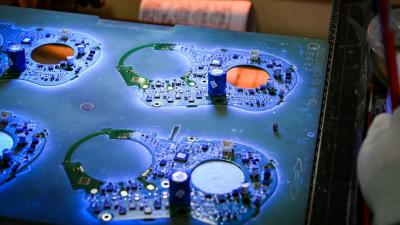
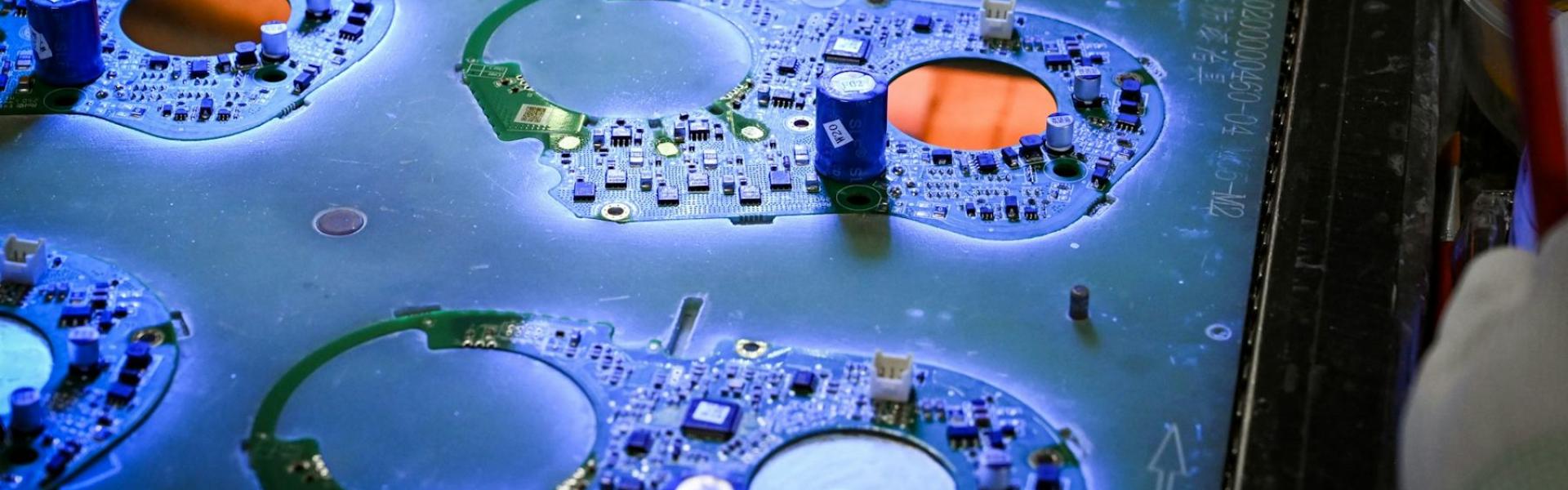
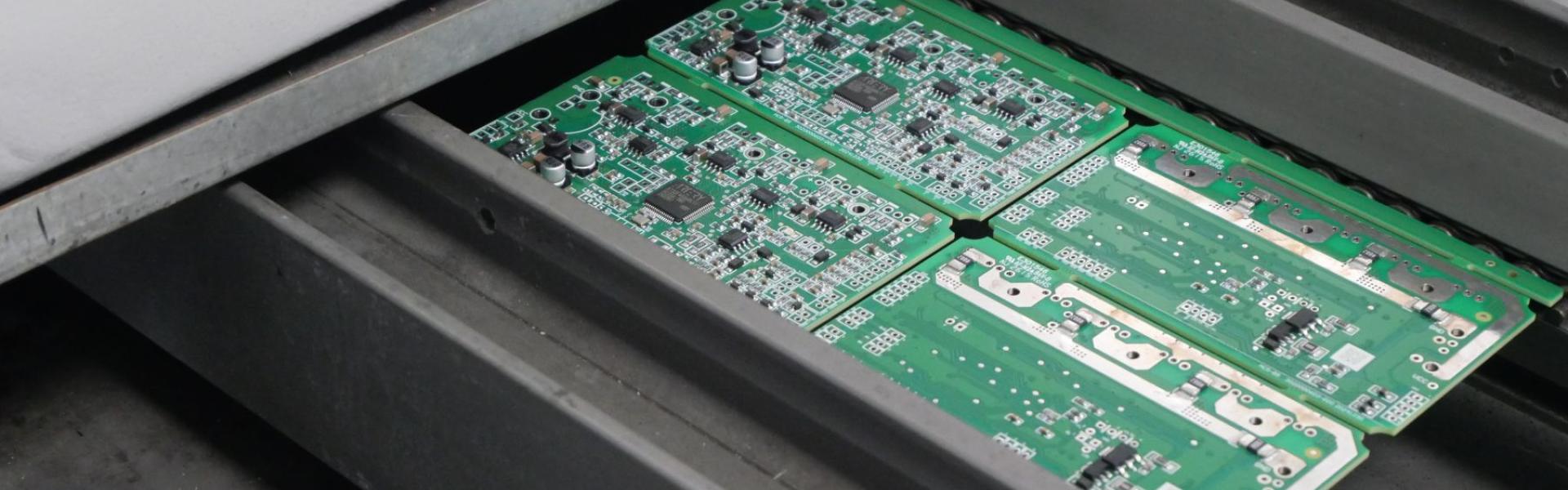
At the core of Ananda’s manufacturing philosophy is full vertical integration. Unlike other suppliers that outsource critical processes, the Jiangsu facility produces key components in-house. The in-house capabilities include a surface mount technology (SMT) line for PCBA and controller manufacturing, automated stator winding, robotic assembly, in-house gear production workshop, automatic pressing equipment for nylon gear assembly, conformal coating application and PCBA aging equipment. Only non-critical parts are outsourced, such as the housing for which Ananda counts on two trusted suppliers.

Leveraging scale

Having made its name in non-label e-scooter hub production, Ananda now supplies motors to around 20% of the huge e-scooter market in China. This scale brings many advantages in terms of raw material availability (such as copper), cost savings in bulk purchasing and higher investments to support the total control of the manufacturing process, which the company is aiming for. Almost all of the company’s supply chain is within a 200km radius of the factory in Wuxi.

The in-house production of PCBA’s is particularly unique within China’s e-bike industry and required a huge investment. “We are one of the only motor suppliers in China to have its own SMT assembly line,” said Zhang Yingzhou, Plant Manager, Wuxi facility, during Bike Europe’s visit to the factory.  “This is a 100% automatic process, requiring only a single operator for loading. We are also making PCBA’s for the domestic market, which brings the scale for such an investment.”

Employee Ananda's Wuxi factory
Ananda's Wuxi - detail of tenhnology
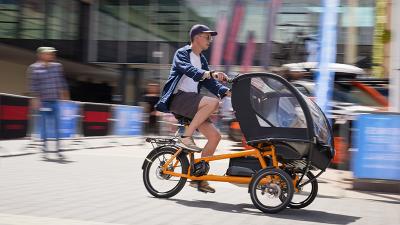
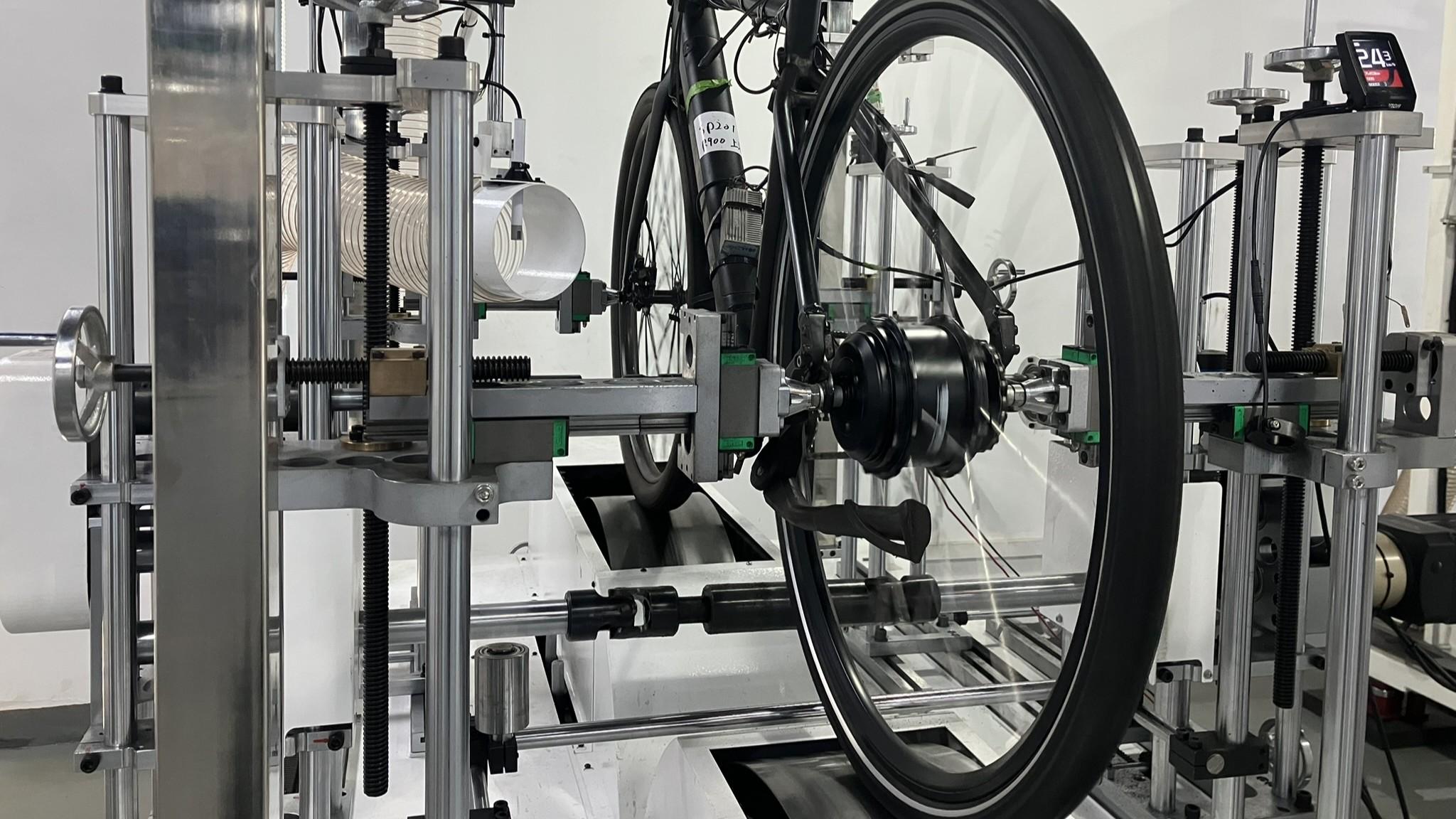
Bike in Ananda's Wuxi factory

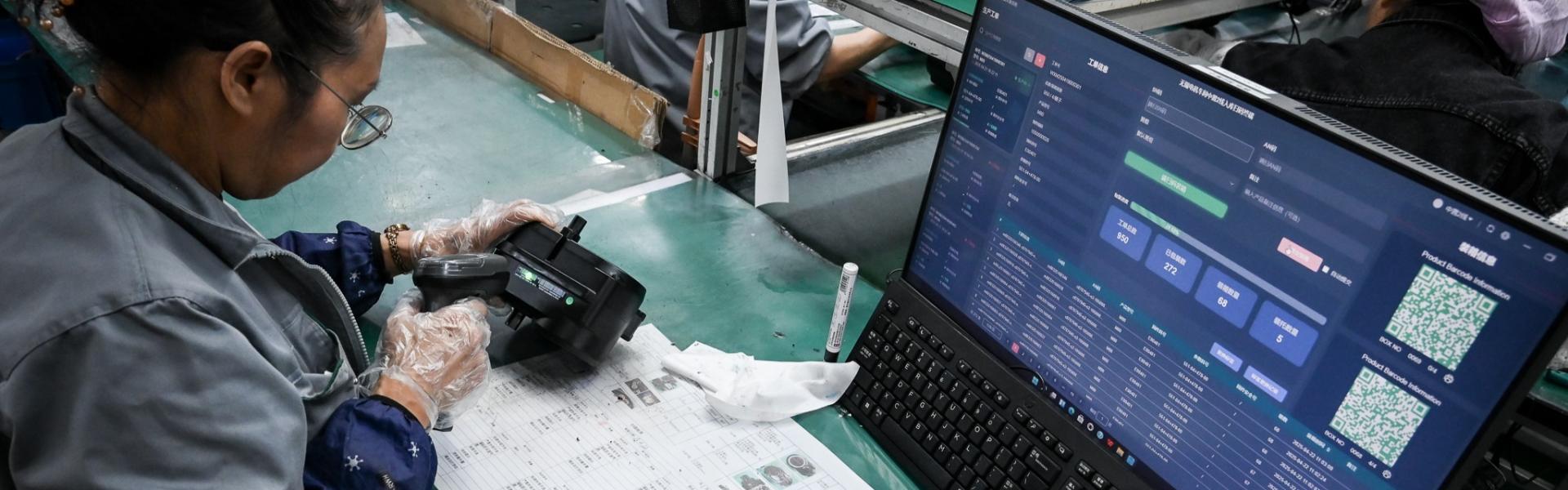
Given the expense, the machine operates 24 hours per day. Depending on the assembly line demand, up to 1,000 PCBA’s for e-bike mid-motors and 3,000 PCBA’s for e-bike hub motor are produced daily. With a minimal 0.09% failure rate, each PCBA receives a unique QR code for complete lifecycle tracking.

Automation at the core

Across the three floors of the factory in Wuxi, dedicated production lines are set up for e-bike motors, controllers, and TFT, OLED, and LED display units. Ananda operates two lines each for mid motor and hub motor assembly, two lines for display assembly and 1 line for controllers. These are currently operational for one shift per day.

Automation plays a central role in Ananda’s production model. Approximately 80% of assembly processes are automated, supported by more than 200 machines and over 70 coil-winding units in total – 20 winding machines are specifically for e-bike motors.  Throughout the factory, many automated guided vehicles (AGVs) run along designated routes to move components between stations, minimising handling damage and ensuring a steady workflow.

With up to 30 stations on each highly robotised assembly line, the manual role of each factory operator is minimised for efficiency. Yet the company deliberately retains manual inspection points at key stages. Digitalisation and traceability underpin the entire process. A Manufacturing Execution System (MES) tracks every product from raw material to finished unit, while real-time dashboards provide visibility into production status and scheduling.

Open by design

One clear differentiator is that although an off-the-shelf system is available, Ananda positions itself as an ‘open system provider’, allowing brands to integrate its components without being locked into complete systems. “With open protocols, we can make life easier for OEM’s, but also match riders' needs. Customisation is key for this,” explains Liu. With a modular design strategy, Ananda claims to cover 90% of bike model requirements, facilitating a faster time-to-market for customers.

Ananda - At a glance

Location: Wuxi, Jiangsu Province, China
Established: 2011
Size of location: 36,000 m²
What is being produced: Full e-bike drive systems, including motors (hub and mid-drive), displays, controllers, and sensors. Own SMT machine for PCBA and controller manufacturing and in-house gear production
Annual capacity: 1 million e-bike motors at Wuxi (Company-wide 10 million motors)
Main export markets: Europe (Germany, UK, Poland, Netherlands, France, Spain, Italy, Hungary, Denmark), USA, and Japan
No. of employees:1,237 worldwide, including 249 dedicated to R&D

R&D powering development

While Wuxi serves as the manufacturing heart of Ananda’s e-bike operations, all R&D takes place at the company's Shanghai headquarters. Here, a team of 249 employees work across the company utilising simulation workstations, motor controller software debugging, a hardware lab, and rapid prototyping via 3D printing. The PCBs that are produced in Wuxi are all designed at the R&D centre by a team of software and hardware engineers. The manufacturer currently holds 133 patents.

At the R&D and validation stage, products are subjected to dynamometer testing, thermal shock cycles, waterproofing, and long-duration simulations equivalent to years of use. Complete bike test benches replicate real-world riding conditions, identifying integration issues that may not appear in isolated component testing. The in-house test and validation centre is audited by TÜV.

Expanding manufacturing capabilities

Despite heavy investments in production in recent years, Ananda isn’t finished there. A new building for EMC testing is being designed from the ground up. This will be operational in 2-3 years and will include testing tracks around the building. Market dynamics are shaping Ananda’s production strategy.  “The e-bike market is shifting from early adopters to a broader, mass-market demographic. There is also a surging demand for ‘smart’ bikes that offer high-end connectivity and automated features at a competitive price point,” Chao Liu, Director Overseas Sales at Ananda told Bike Europe.