


All pages
1
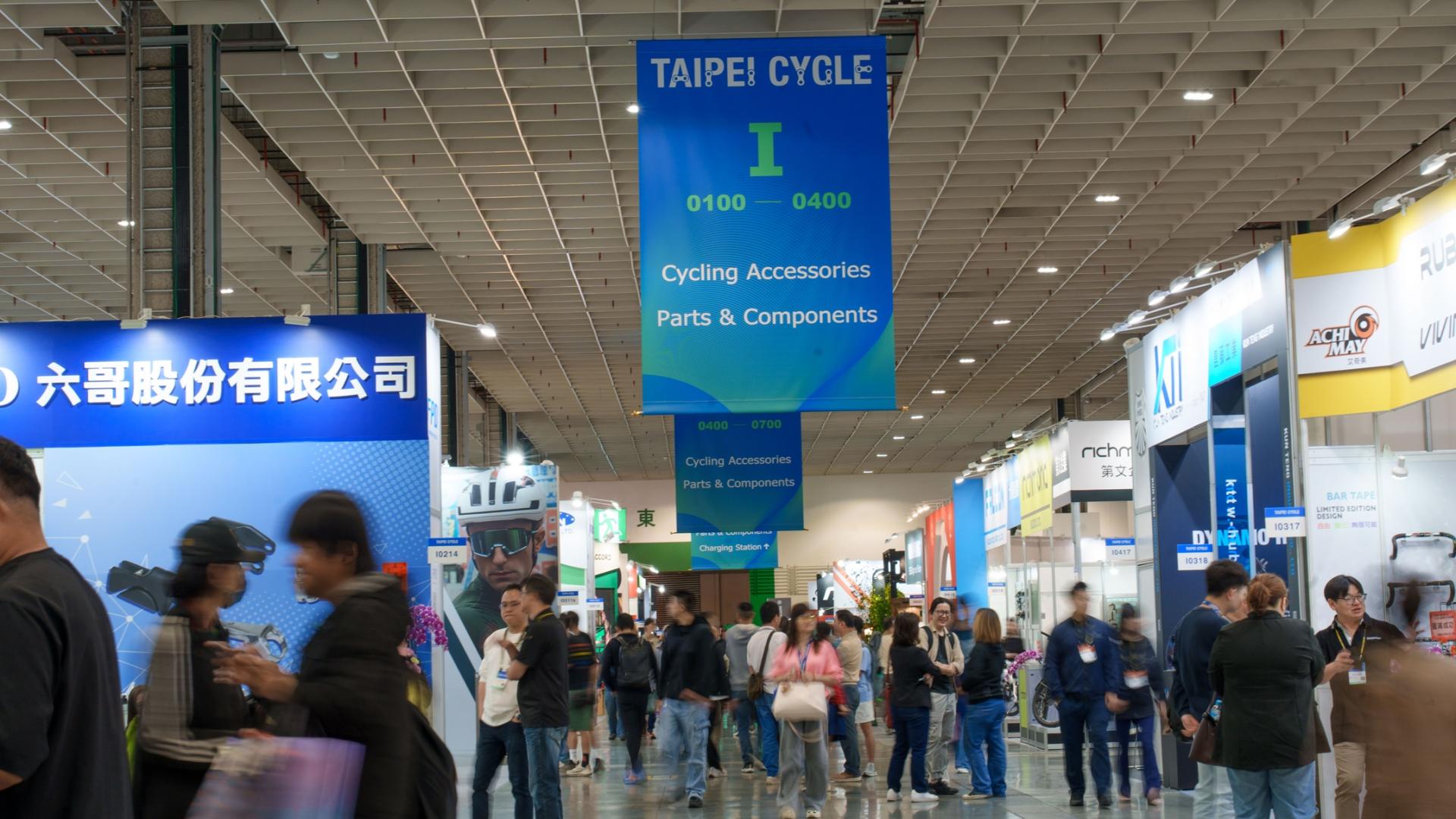
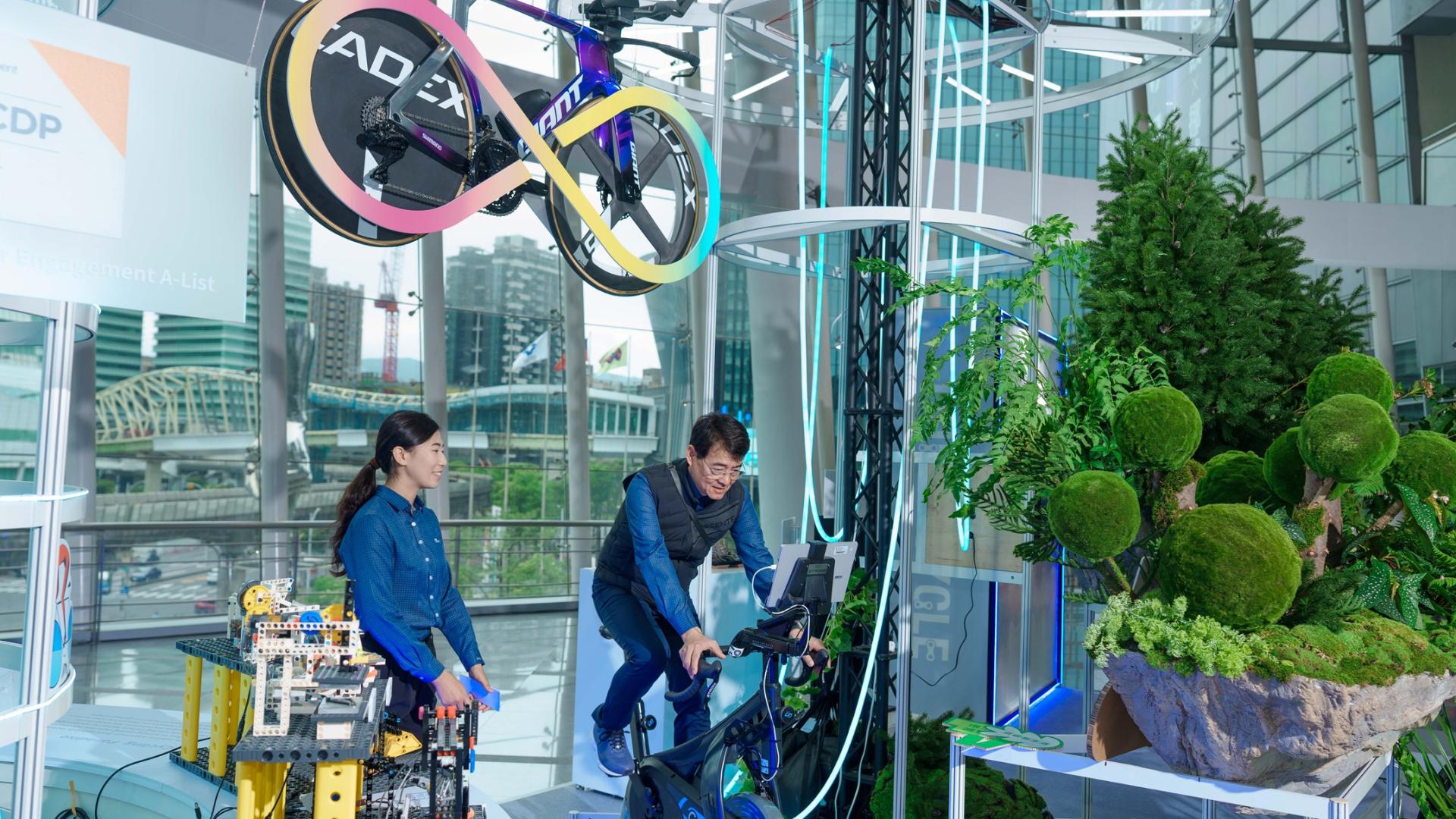
Taipei show tests industry outlook
Cover and contents
2
Uncertainty hangs over Taipei Cycle 2026
Geopolitical tensions and rising costs fuel uncertainty as the bike industry gathers at Taipei Cycle 2026.
3
Shimano sees turning point
'CUES will become the standard'

4
Cycling’s place in sustainable transport
The cycling industry lacks data to prove its value in sustainable mobility, weakening its position in global transport policy debates.

5
Your Experience Count
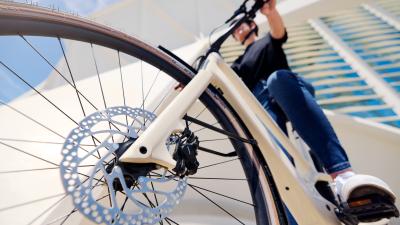
The PREETO P110 E drive system

6
Giant calls labour standards Taiwan’s duty
Giant pushes Taiwan to align with global labour standards as WRO pressure and ESG reforms reshape the industry.

7
Is ‘Made in Taiwan’ evolving?
Taiwan’s bike exports fall as production shifts abroad, with “Made by” and “Made with” models gaining ground.
8
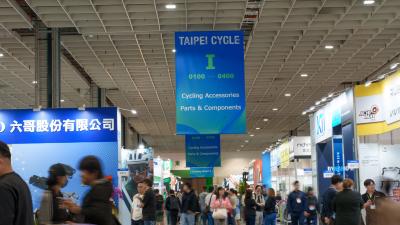
Taipei Cycle Show 2026
A stable platform in volatile times
All editions
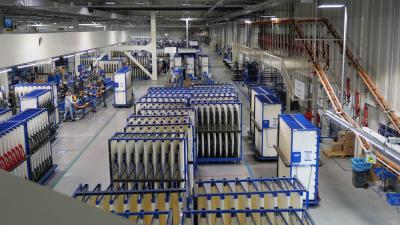
Automation, integration and ambition shape production

Europe’s bicycle market begins reset
Taipei show tests industry outlook

Cautious optimism in 2026 bike market
Q3 offers no respite for struggling industry

Polands growing stronghold in e-bike production

Navigating market, trade and innovation in 2025
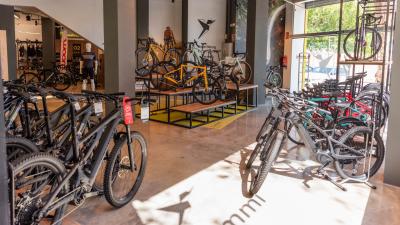
European bike markets show resilience in 2024

Digitilisation driving change in the e-bike market
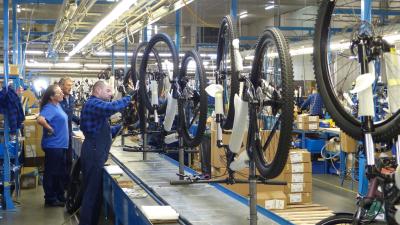
Central Europe as an e-bike production hub

Securing financial stability in tough market
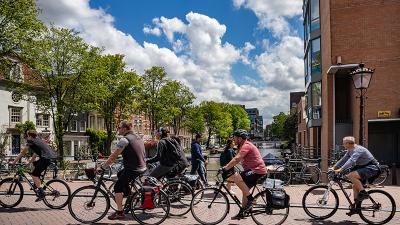
Indicators point to slow but steady market recovery

2023 challenges European e-bike markets
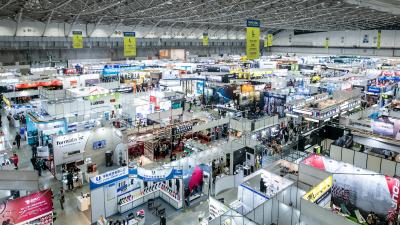
Will market revival begin in Taiwan?

Can the bicycle industry become greener?

Integration and digitisation transforming product development
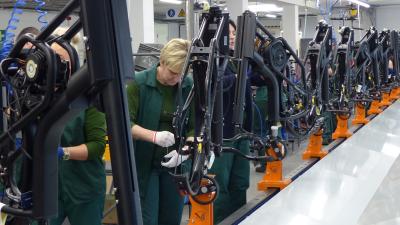
Bicycle production steadily converging in Europe
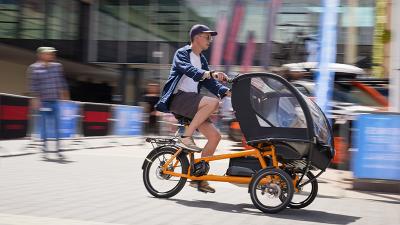
E-bikes bring value to challenged market

E-bikes changing legal landscape
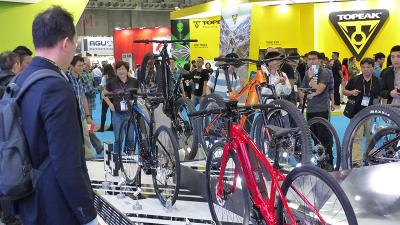
Taipei prepares for bike industry again
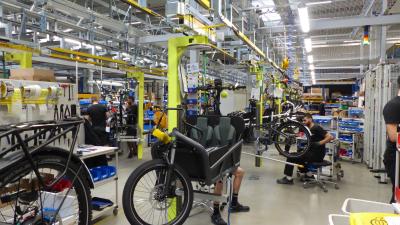
Sustainability in the bicycle and e-bike industry

Products & Innovations for MY 2023

Supply chain grips the industry
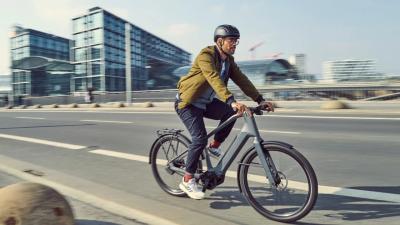
Eurobike reaffirms strengthening position of e-bikes