Giant calls labour standards Taiwan’s duty

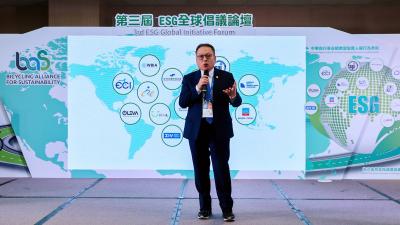
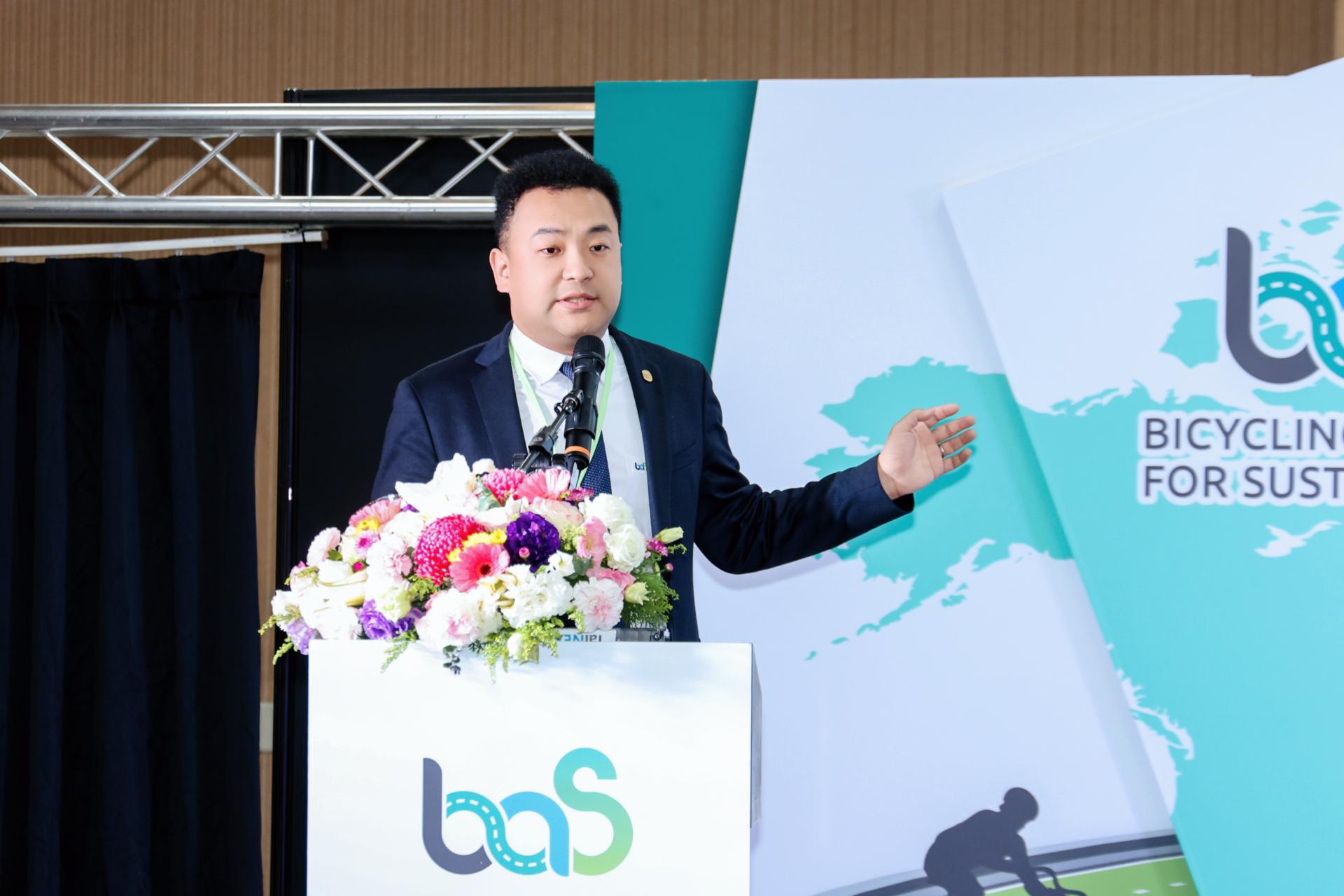
When it comes to migrant workers in Taiwan, a core issue is how the country's domestic labour laws don't align with international standards, but measures are being taken to adjust this. "As an exporting nation, meeting international standards is our mission and our obligation," said Giant Group and Bicycle Alliance for Sustainability (BAS) Chairman Young Liu during his opening statement at the ESG Forum during Taipei Cycle Show.

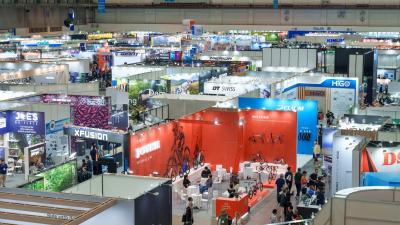
Leading voices from government, industry, academia and international bicycle organisations examined the progress and future direction of ESG in the Taiwanese bicycle sector at the third ESG Global Initiative Forum, on the second day of Taipei Cycle Show. Beyond the pressing issue of human rights, this year’s forum placed greater emphasis on climate resilience and the low-carbon transition.

'WRO progress remains slow'

Human rights are top of the agenda for the BAS in Taiwan following the Withhold Release Order (WRO) issued by United States customs authorities, which effectively banned Giant’s shipments to the United States, citing evidence of forced labour. “We are still solving this issue, although the speed of the resolution is slower than expected, and it has a great impact on Taiwan’s bicycle industry,” said Giant Chairman Liu. Interestingly, he added, “I don’t know why we were targeted to impose these restrictions on.” He confirmed that other Giant factories outside Taiwan were continuing to ship bikes to the US.

Launch of human rights due diligence (HRDD) initiative

Since its establishment, BAS has worked to advance sustainable development in the bicycle industry across key areas, including carbon management, decarbonisation strategies, circular economy, human rights protection and ESG education. Following last year’s Code of Conduct initiative, which achieved 100% compliance among BAS members, the BAS advanced further by launching its Human Rights Due Diligence (HRDD) Initiative. Supported by both domestic and international associations, the initiative aims to strengthen supply chain governance and labour rights protection, while aligning the Taiwan bicycle industry more closely with evolving international human rights expectations and standards.

Nationwide changes coming

On a national level, things are changing too. Across Taiwan, HRDD implementation is planned for 2026, with mandatory disclosure starting in 2027, initially targeting listed manufacturing companies with annual revenues exceeding NT$50 billion. Giant Group, whose consolidated revenue reached NT$60.25 billion (€1.64 billion) in 2025, would fall within this threshold. Upcoming reforms include a ban on withholding employee identity documents and a ban on recruitment fees within three years.

To support this transition, the government is introducing structured HRDD frameworks, practical tools and assessment templates, and ESG reporting examples. BAS began addressing these expectations early by launching its HRDD program in 2023 and aligning its approach with international standards, particularly the OECD due diligence framework.

Afbeelding
Charlie Liu, manager at Giant Group and representing BAS

Charlie Liu

"As an exporting nation, meeting international standards is our mission and our obligation.”

BAS membership drops 7%

Despite the positives being promoted during the ESG forum and the progress made, the BAS saw its membership drop from 82 to 76 participants in 2025. The current market has been given as a reason for this. “The first thing companies cut when margins get tight is membership fees,” Charlie Liu told Bike Europe when asked about the drop in members. He confirmed that the drop had nothing to do with market consolidation or bankruptcies among former members. Instead, Liu remains confident that when the market upturn comes, membership will again follow a growth path, as companies have recognised the relevance of participation.

Accelerating decarbonisation

The Taiwanese bicycle industry continues to make measurable progress in carbon management. As of 2025, around 89% of BAS members had completed organisational greenhouse gas inventories, while 54% had carried out product carbon footprint assessments.

BAS also released the results of its physical climate risk assessments for member companies, providing adaptation recommendations for 286 sites to help businesses prepare for increasing climate-related challenges.