All pages

1
Cautious optimism in 2026 bike market
Cover and contents

2
Taiwan External Trade Development Council
Taipei Cycle 2026: 25 - 28 March
3
Dutch bike market 2025
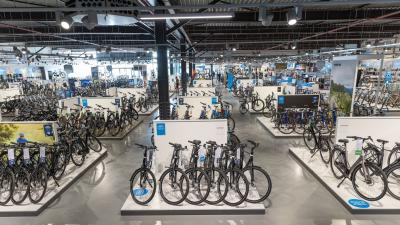
Dutch bike market value drops 1.3% in 2025

4
Portugal at the heart of soft-mobility innovation
Abimota helps align consortium partners

5
Belgian market pivots back into the plus
Economists suggest that excess inventory from 2024-25 will likely weigh on balance sheets until 2027, but Belgium is proving to be an exception.

6
Compositgear
Your carbon frame partner
7
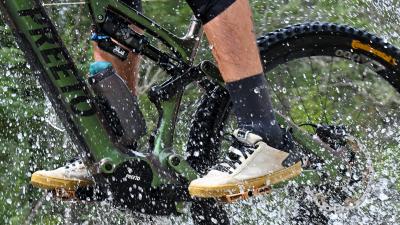
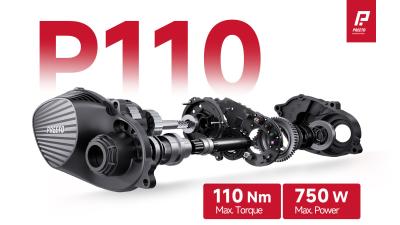
Preeto P110 performance model
Preeto adapts swiftly to rider demands
8
Shimano sets the bar for industry stabilisation
As the world’s leading bicycle component supplier, there is no better thermometer for the industry than Shimano.
9
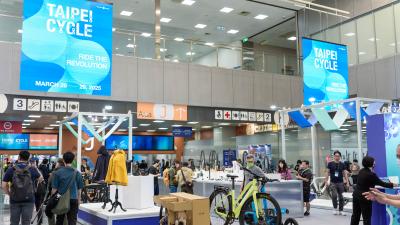
Why Taipei Cycle 2026 still matters
A strategic perspective for the global bike industry

10
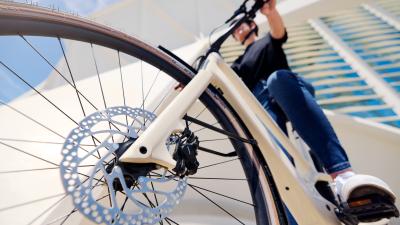
Still signals of strong investor appetite in cycling
Recent news suggests that investors have not lost interest in bicycles and cycling more broadly.
11
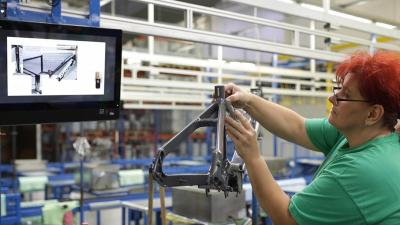
Shimano sees turning point
'CUES will become the standard'
12
KKR transfers control of Accell Group to lenders
Accell Group announces the next milestone in its transformation, with new funding and a substantial debt reduction.
13
Preeto
All editions
Automation, integration and ambition shape production
Europe’s bicycle market begins reset
Taipei show tests industry outlook
Cautious optimism in 2026 bike market
Q3 offers no respite for struggling industry

Polands growing stronghold in e-bike production

Navigating market, trade and innovation in 2025
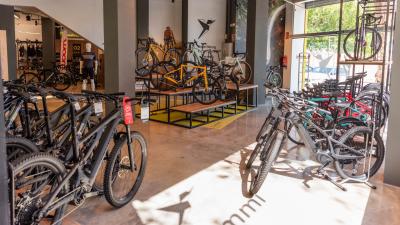
European bike markets show resilience in 2024

Digitilisation driving change in the e-bike market
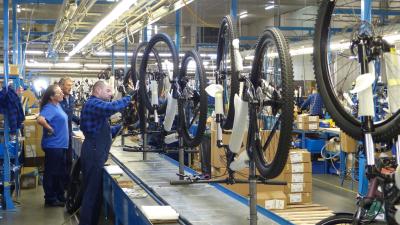
Central Europe as an e-bike production hub

Securing financial stability in tough market
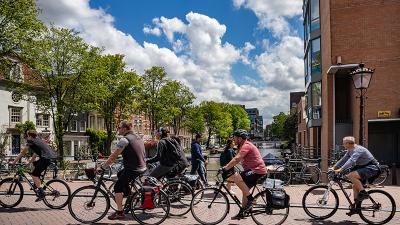
Indicators point to slow but steady market recovery
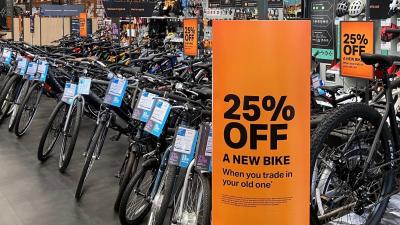
2023 challenges European e-bike markets

Will market revival begin in Taiwan?

Can the bicycle industry become greener?
Integration and digitisation transforming product development
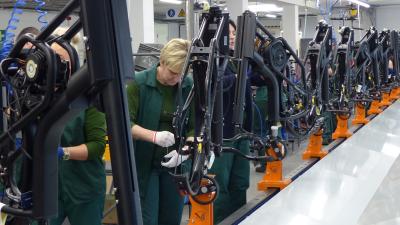
Bicycle production steadily converging in Europe
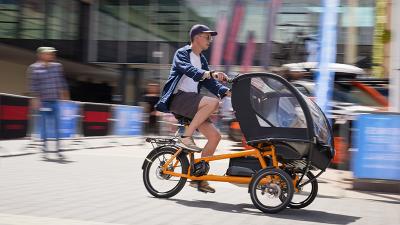
E-bikes bring value to challenged market

E-bikes changing legal landscape
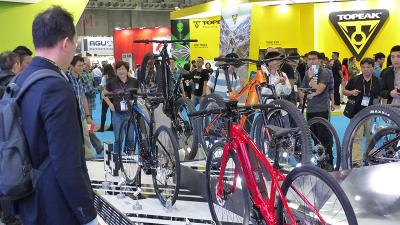
Taipei prepares for bike industry again
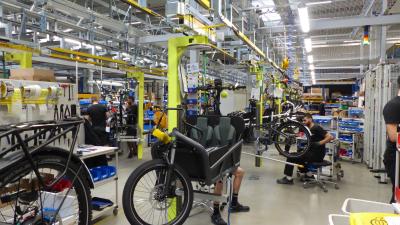
Sustainability in the bicycle and e-bike industry

Products & Innovations for MY 2023

Supply chain grips the industry
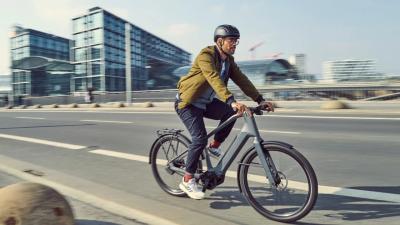
Eurobike reaffirms strengthening position of e-bikes